A wide range of different chemicals and environmental factors are suspected or are known to be teratogenic in humans and in animals. A selected few include:
§ Drugs and medications: tobacco, caffeine, drinking alcohol (ethanol) isotretinoin (13-cis-retinoic acid, Roaccutane), aminopterin or methotrexate, androgenic hormones, cyclophosphamide, diethylstilbestrol, phenytoin, methimazole, penicillamine, tetracyclines, thalidomide, trimethadione, methoxyethyl ethers, Flusilazole, valproic acid, and many more.
§ Environmental chemicals: polycyclic aromatic hydrocarbons , polychlorinated biphenyls (PCBs), polychlorinated dibenzodioxins, polychlorinated dibenzofurans (PCDFs), hexachlorobenzene hexachlorophene, organic mercury, ethidium bromide, etc.
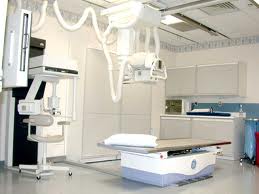
§ Ionizing radiation: atomic weapons fallout (Iodine-131, uranium), background radiation, diagnostic x-rays, radiation therapy
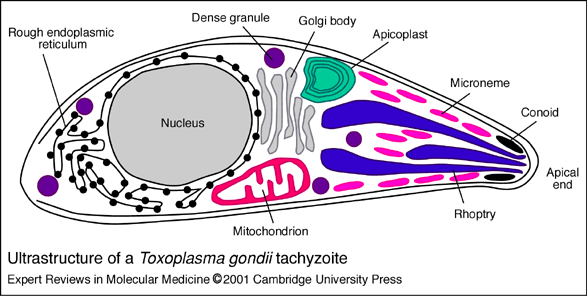
§ Infections: cytomegalovirus, herpes virus, parvovirus B19, rubella virus (German measles), syphilis, toxoplasmosis , chicken pox, HIV
§ Metabolic imbalance: alcoholism, endemic cretinism, diabetes, folic acid deficiency, iodine deficiency, hyperthermia, phenylketonuria, rheumatic disease and congenital heart block, virilizing tumors. [1]
.jpg)
Most commonly known teratogens that pregnant women are exposed to in day to day ife
.jpg) | .jpg) .jpg) |
.jpg)